About All Tours And Moraine Lake ToursFrom Banff ToursSunrise ToursFrom Calgary ToursFrom Canmore Tours Directions Hours & Fees
Find Tours 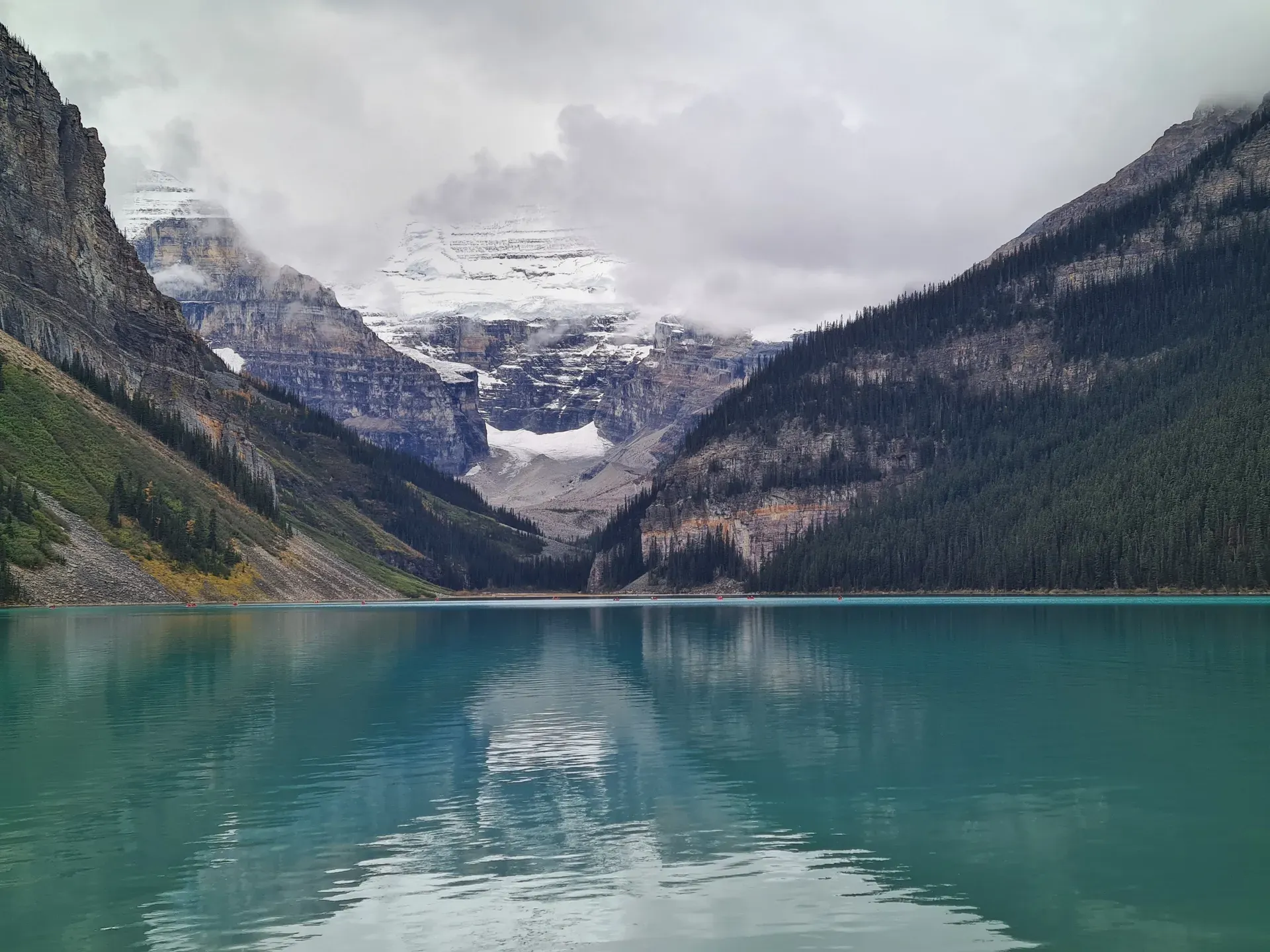
Lake Louise spans 2.4 kilometers of turquoise water at an elevation of 1,731 meters in Banff National Park. Fed by the 3-kilometer-long Victoria Glacier, this high-alpine destination challenges hikers with the 6.8-kilometer trail to the historic 1905 Lake Agnes Teahouse.
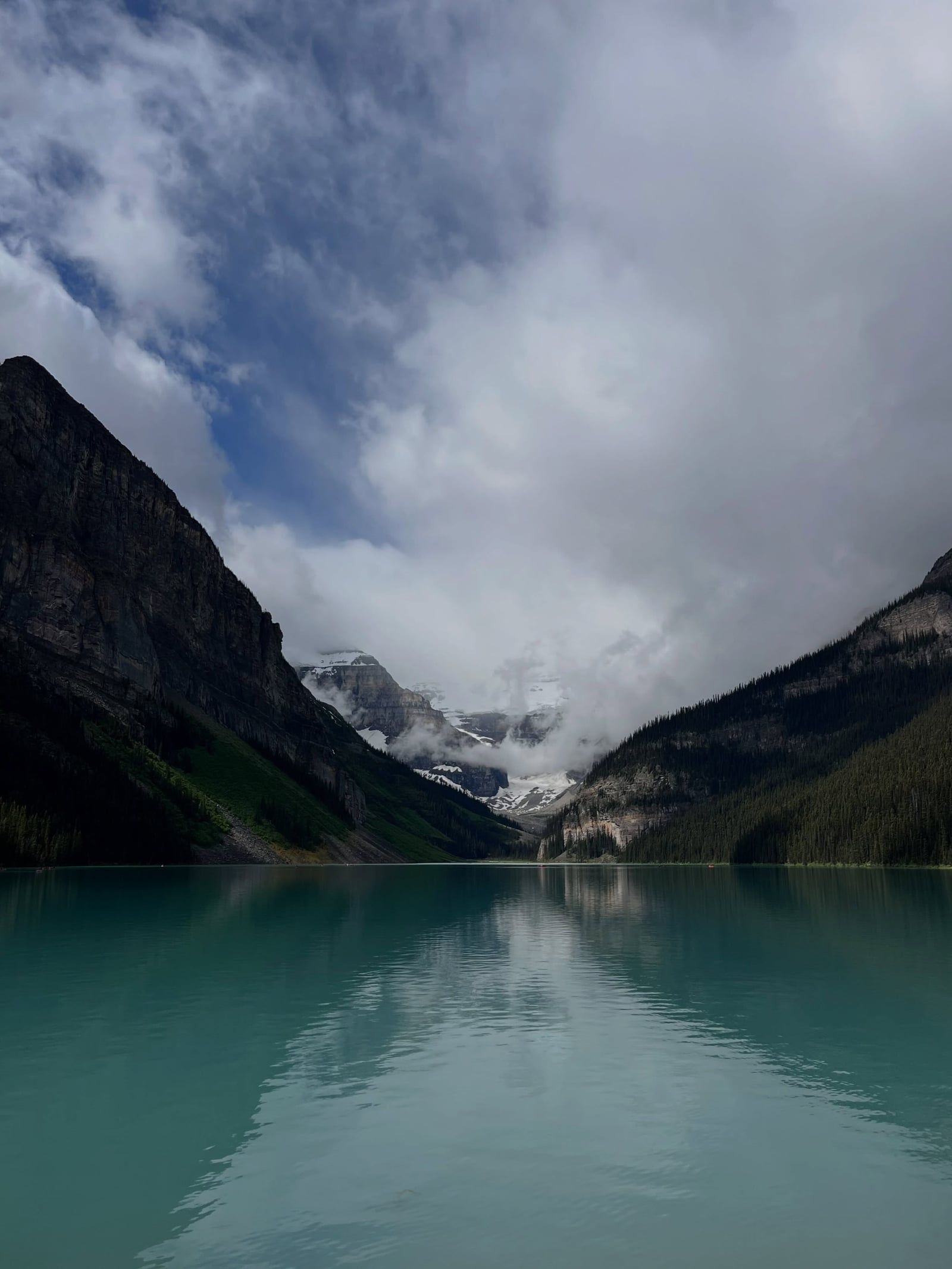
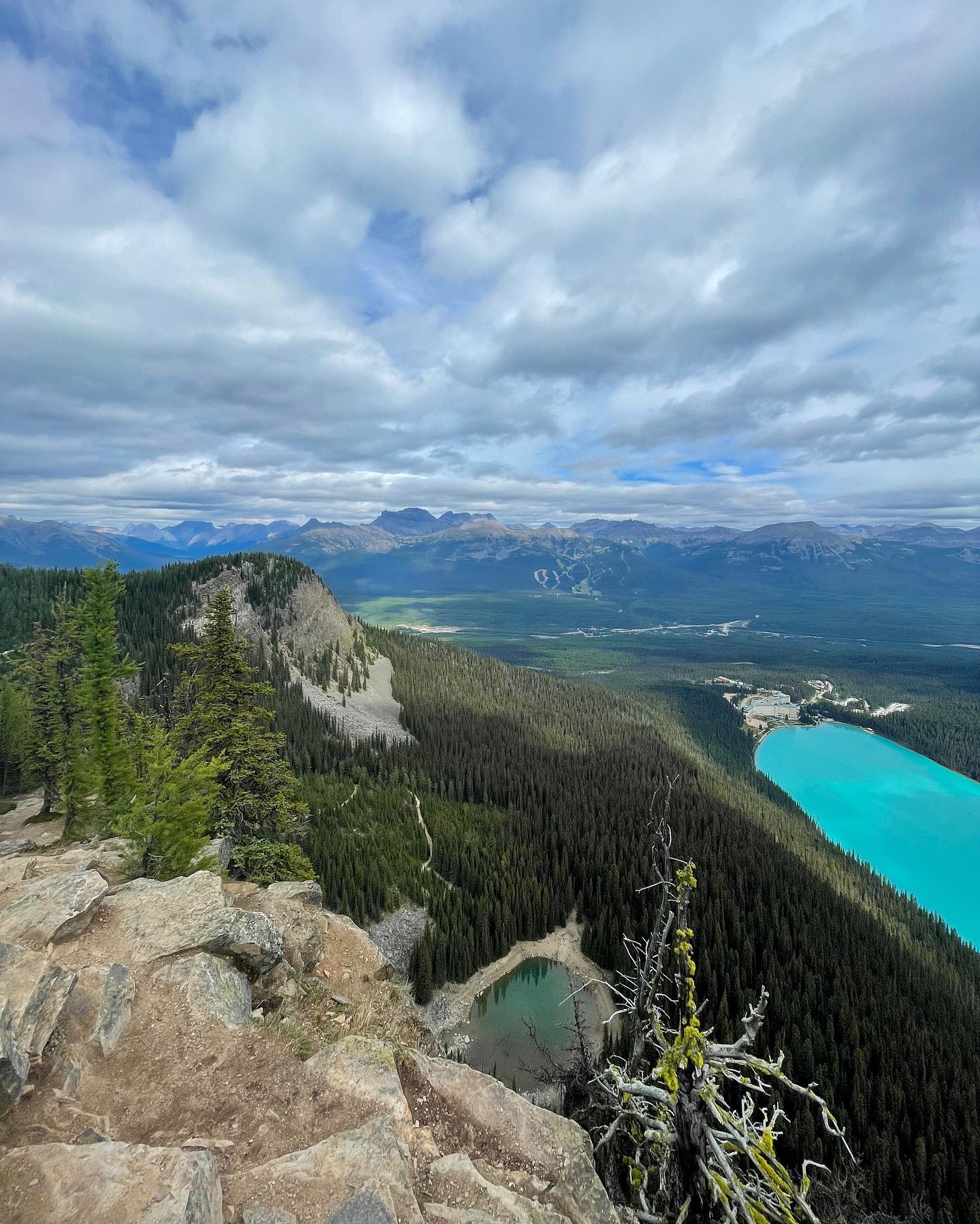
Find Guided ToursLake Louise is a world-famous glacial lake located in Banff National Park within the Canadian Rocky Mountains. Situated at an elevation of 1,731 meters, the lake spans 2.4 kilometers in length. It sits on the Bow River, approximately 180 kilometers west of Calgary and 62 kilometers northwest of the Banff townsite. The area serves as a major international tourist destination and a vital habitat within the Rocky Mountain ecosystem.
The lake is globally recognized for its striking turquoise color and dramatic mountain scenery. This distinct hue is the result of glacial erosion. Six surrounding glaciers, including the 3-kilometer-long lower Victoria Glacier, feed the lake with meltwater each spring. As the glaciers move, they grind the surrounding rock into a fine silt known as rock flour. This silt remains suspended in the cold water and reflects sunlight to produce the lake's iconic color.
Long before European settlement, the Stoney-Nakoda people called the area Ho-run-num-nay, meaning the Lake of Little Fishes. In 1882, a Canadian Pacific Railway workman named Tom Wilson encountered the water and named it Emerald Lake. The Geographic Board of Canada officially changed the name to Lake Louise in 1884. This new title honored Princess Louise Caroline Alberta, the daughter of Queen Victoria.
That same year, the Canadian Pacific Railway established a remote outpost on the shore. Construction followed in 1886 with the building of a modest two-bedroom log cabin. Over the decades, this small structure expanded and eventually evolved into the grand Fairmont Chateau Lake Louise that stands on the shoreline today. The site has since grown into a celebrated center for mountaineering and outdoor recreation within Canada's first national park.
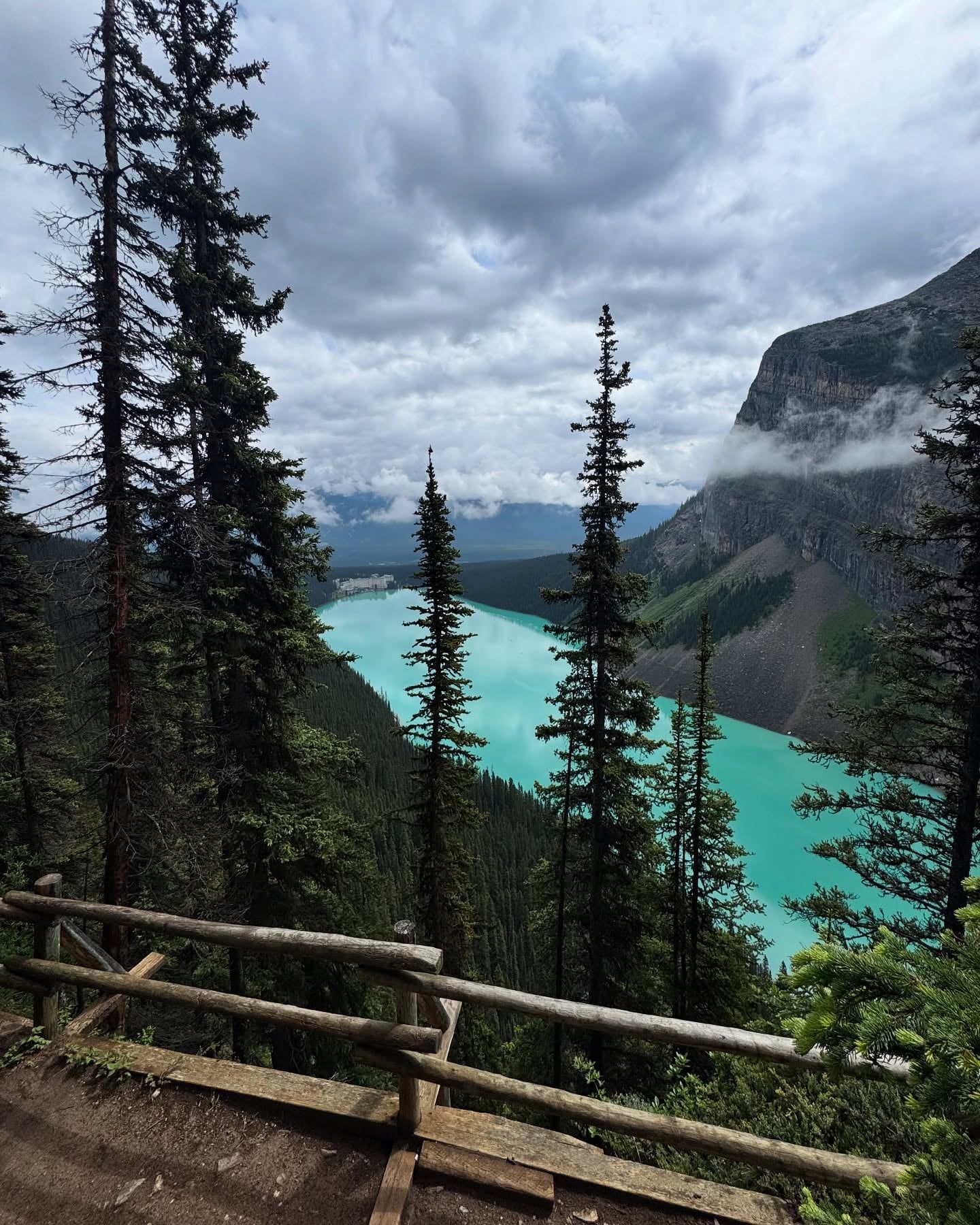
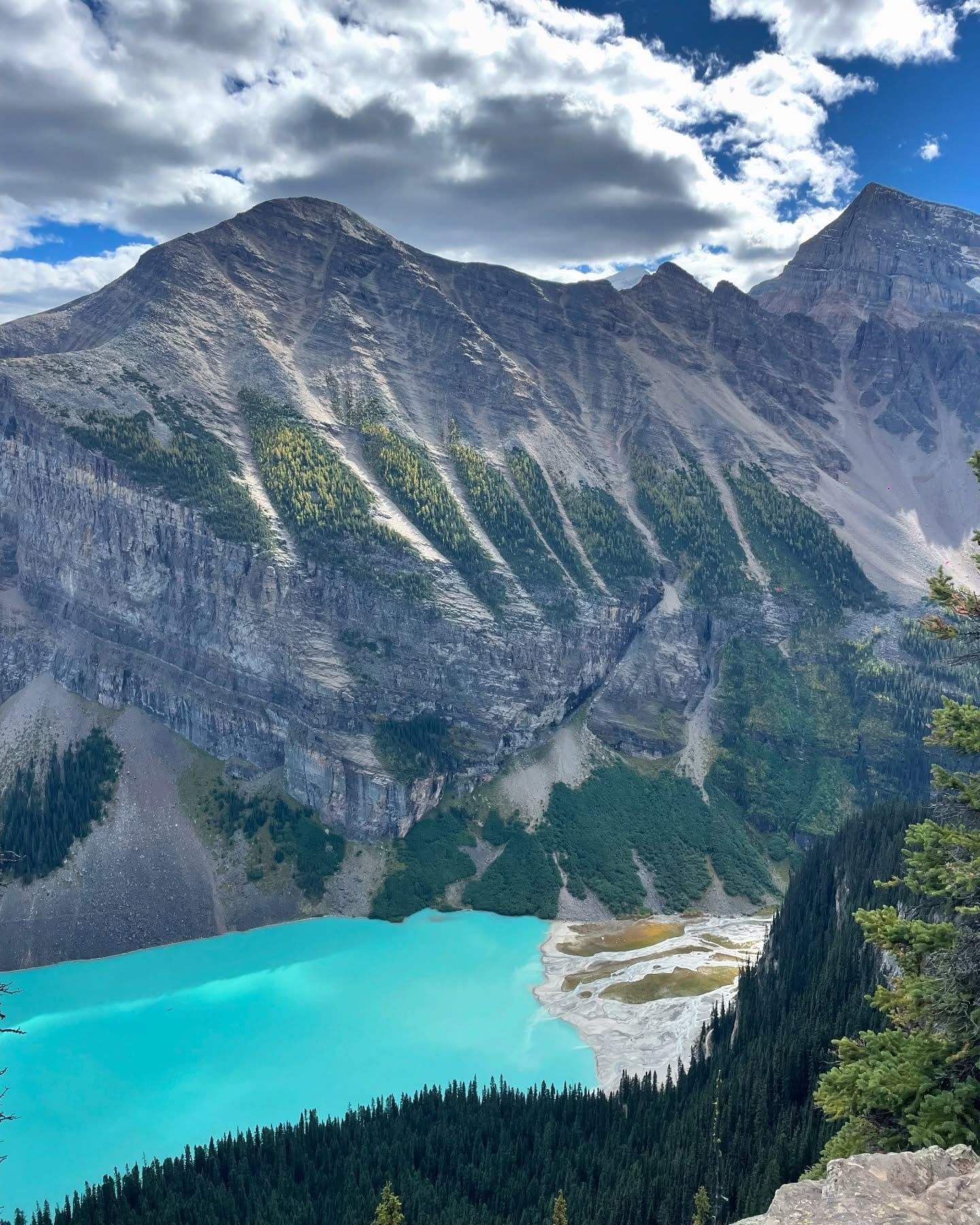
Discover the full history and cultural significance on our About page.
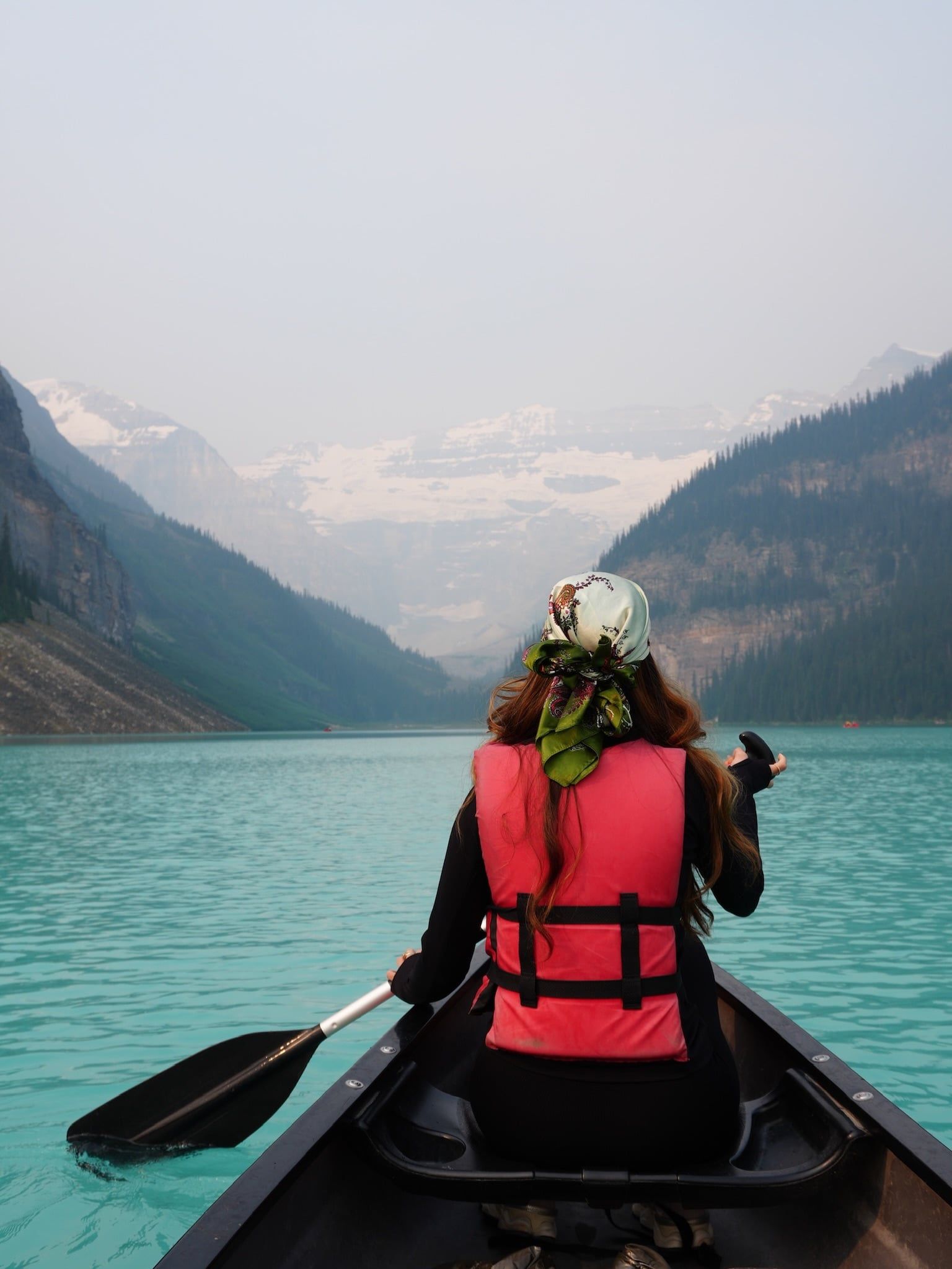
Rent a red canoe from the historic boathouse on the left shore to paddle across the cold turquoise meltwater. The 2.4-kilometer lake gets its famous color from rock flour carried by six surrounding glaciers. Paddlers get clear views of the massive 3-kilometer-long lower Victoria Glacier.
A 6.8-kilometer roundtrip trail climbs past subalpine trees to the shores of Lake Agnes. Operating since 1905, this rustic backcountry teahouse serves fresh tea and warm pie. Hikers can rest and eat next to the mountain-ringed water while taking in the stunning alpine views.
During January, the lake freezes over to become a professionally cleared outdoor skating rink. Skaters glide across the natural ice beneath snow-capped peaks, take cozy horse-drawn sleigh rides, and view a sparkling hand-carved ice castle. Visitors can also time their trip to see the Ice Magic Festival.
The summer gondola climbs to an elevation of over 2,000 meters above the valley floor. Passengers look down over the open ski runs to spot wild grizzly bears foraging in the grass. The aerial ride provides sweeping panoramic views of the entire Bow Valley.
Hand-picked tours with free cancellation and verified reviews
 Free Cancellation
  Free Cancellation
  Free Cancellation
  Free Cancellation 4h 15min
  Free Cancellation
  Free Cancellation
  Free Cancellation
  Free Cancellation
 The best times to visit Lake Louise are July and August for warm weather and turquoise waters, or January for winter activities like ice skating. Visitors should avoid November and May due to muddy trails, transitional weather, and avalanche risks.
May brings transitional weather with thawing lake waters and muddy trails. High-alpine routes carry lingering avalanche hazards, and visitors will miss the famous turquoise water during this period.
July and August offer warm weather and fully open hiking trails. Glacial meltwater feeds the lake, creating the turquoise color that draws many of Banff's 4.2 million annual visitors.
September and October provide access to historic tea houses before they close in mid-October. However, November introduces challenging transitional weather, freezing lake waters, and muddy conditions on the trails.
January is excellent for winter sports enthusiasts. The lake freezes completely, providing a cleared natural ice skating rink alongside a sparkling hand-carved ice castle and the Ice Magic Festival.
Lake Louise is a natural area located within Banff National Park and remains open 24 hours a day, year-round. While the lake itself has no closing time, visitor services operate on set schedules. Paid parking at the Lakeshore lot is enforced from 3:00 am to 7:00 pm daily between May 15 and October 12, 2026. Parks Canada shuttles run daily from 6:30 am to 5:00 pm, with slightly reduced morning hours starting at 8:00 am between May 15 and May 31. The last return shuttle departs the lake at 7:30 pm.
| Category | Price |
|---|---|
| Adult (18-64) | $12.25 CAD |
| Senior (65+) | $10.75 CAD |
| Youth (under 18) | Free |
| Family/Group (up to 7 people in one vehicle) | $24.50 CAD |
| Annual Discovery Pass (Adult) | $83.50 CAD |
| Annual Discovery Pass (Senior) | $71.50 CAD |
| Annual Discovery Pass (Family) | $167.50 CAD |
National Park admission is free from June 19 to September 7, 2026, under the Canada Strong Pass initiative. This waiver covers entry only and does not include the $42.00 CAD daily parking fee at the Lakeshore lot, which is required from May 15 to October 12, 2026, and must be paid by credit card.
For complete schedules and ticket prices, visit our Hours & Fees page.
Lake Louise is located in Banff National Park, approximately 180 kilometers west of Calgary and 60 kilometers northwest of the Banff townsite. Visitors can reach the lake by driving the Trans-Canada Highway, taking a regional express bus, or using the dedicated park shuttle service.
📍 Lake Louise, Banff National Park, Alberta, Canada
Parks Canada operates a daily shuttle service from the Lake Louise Park and Ride lot at 1 Whitehorn Road. The ride covers approximately 5 kilometers to the lakeshore. Reservations for this highly competitive service open on April 15, 2026. A ticket also includes access to the Lake Connector shuttle heading to nearby Moraine Lake.
Roam Transit provides regular public bus service directly to the lakeshore via the Route 8X Express. The bus departs from the Banff High School Transit Hub and travels 60 kilometers to the destination. Purchasing a Reservable Super Pass secures a seat in advance. This pass also grants access to the Parks Canada Lake Connector shuttle.
Driving from Calgary International Airport requires a 180-kilometer trip west along the Trans-Canada Highway directly to the lakeshore lot. Parking spaces are extremely limited and typically fill up before 7:00 am during the summer months. A daily parking fee applies between May 15 and October 12, 2026. Visitors must pay this fee by credit card.
For detailed transport options and routes, visit our Directions page.
Parks Canada releases 40% of seasonal shuttle tickets on April 15, 2026, at 8:00 am MDT. The remaining 60% become available on a rolling 48-hour window throughout the summer. Log on exactly at release times to secure your ride to the Lakeshore.
Driving your own vehicle requires careful timing during July and August. The Lakeshore parking lot routinely reaches capacity before 7:00 am, and traffic control will turn away latecomers. Expect to pay a daily parking fee of $42 CAD by credit card between May 15 and October 12, 2026.
For a stress-free commute from the Banff townsite, buy a $30 CAD Reservable Super Pass. This allows you to book a seat on the Route 8X Express bus and includes access to the Lake Connector shuttle. The buses feature low floors and fold-out ramps for wheelchair users.
Canoe rentals at the boathouse cost up to $170 CAD per hour. You can save money by bringing a personal kayak or paddleboard. You just need to complete a free Parks Canada Self-Certification Permit before entering the water to prevent the spread of aquatic invasive species.
Federal law strictly prohibits the use of recreational drones inside Canadian national parks. Operating one at Lake Louise can result in fines of up to $25,000 CAD. Personal photography and tripods are fully permitted, so rely on standard cameras to capture the mountain scenery.
The surrounding wilderness supports a significant population of grizzly and black bears. Hikers must carry bear spray in an accessible holster and maintain a strict distance of at least 100 meters from bears. Always check trail reports for sudden closures due to wildlife activity or lingering avalanche hazards.
Located in the rugged Valley of the Ten Peaks, this glacially-fed lake features brilliant turquoise water. Climb the short rock pile trail to photograph the renowned view once printed on the Canadian twenty-dollar bill.
Thousands of years of water erosion carved this dramatic canyon into the limestone bedrock. Hikers can walk along suspended catwalks to view waterfalls, deep caverns, and unique rock formations.
Situated along the Icefields Parkway, this glacier-fed lake is recognized for its thick turquoise color and wolf-like shape. A short paved walk leads to an elevated viewing platform providing a highly photographed panoramic vista.
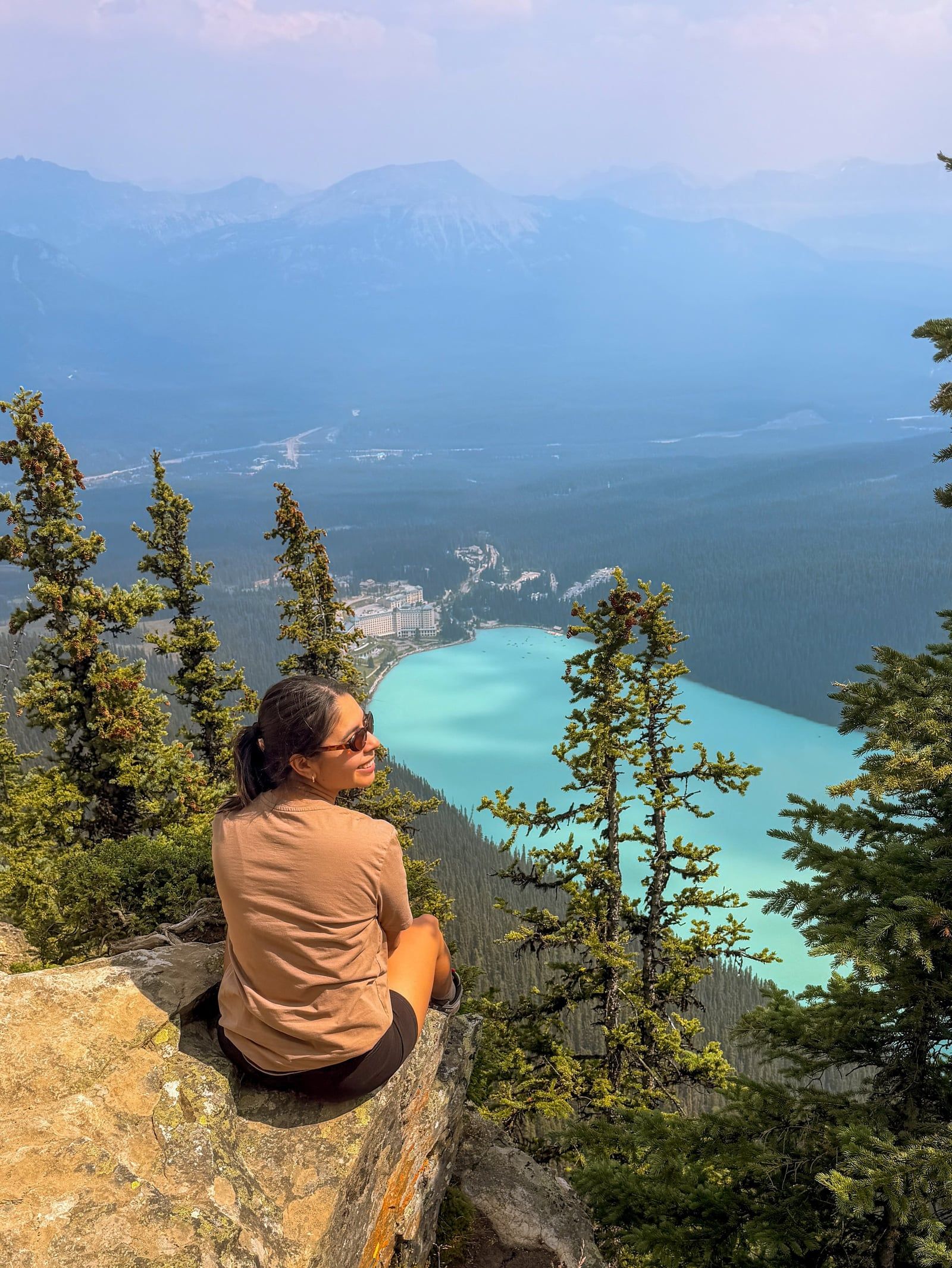
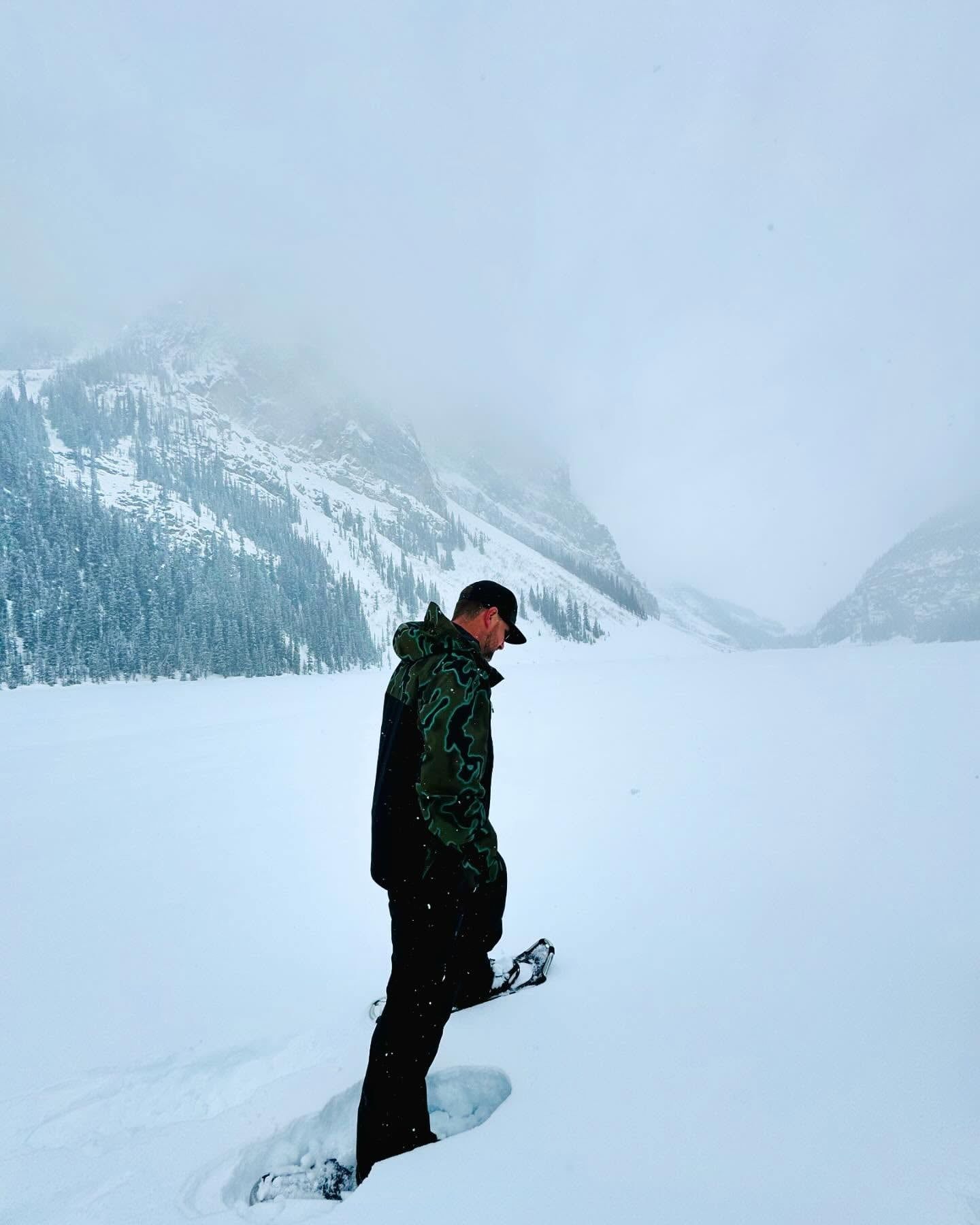
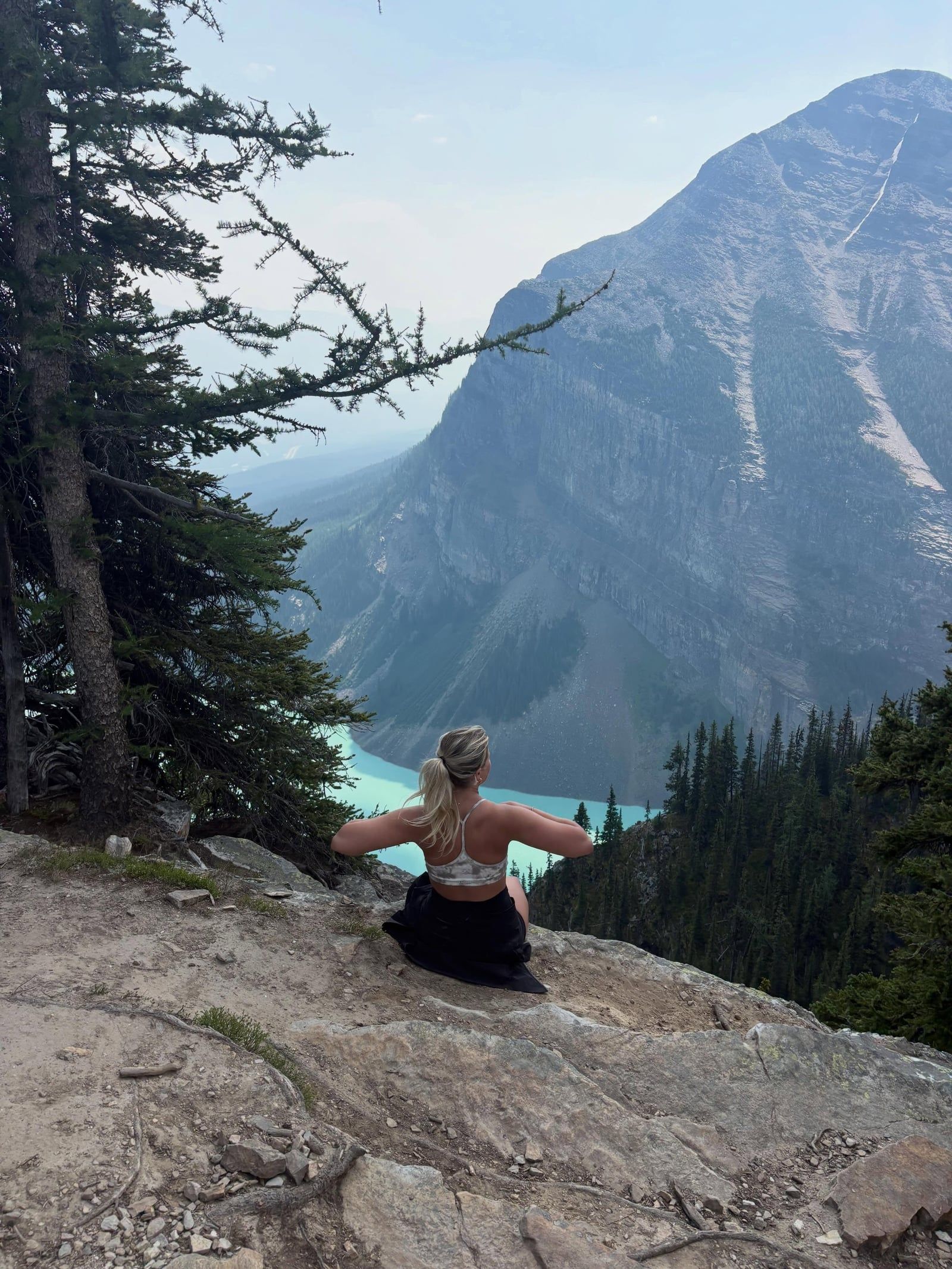
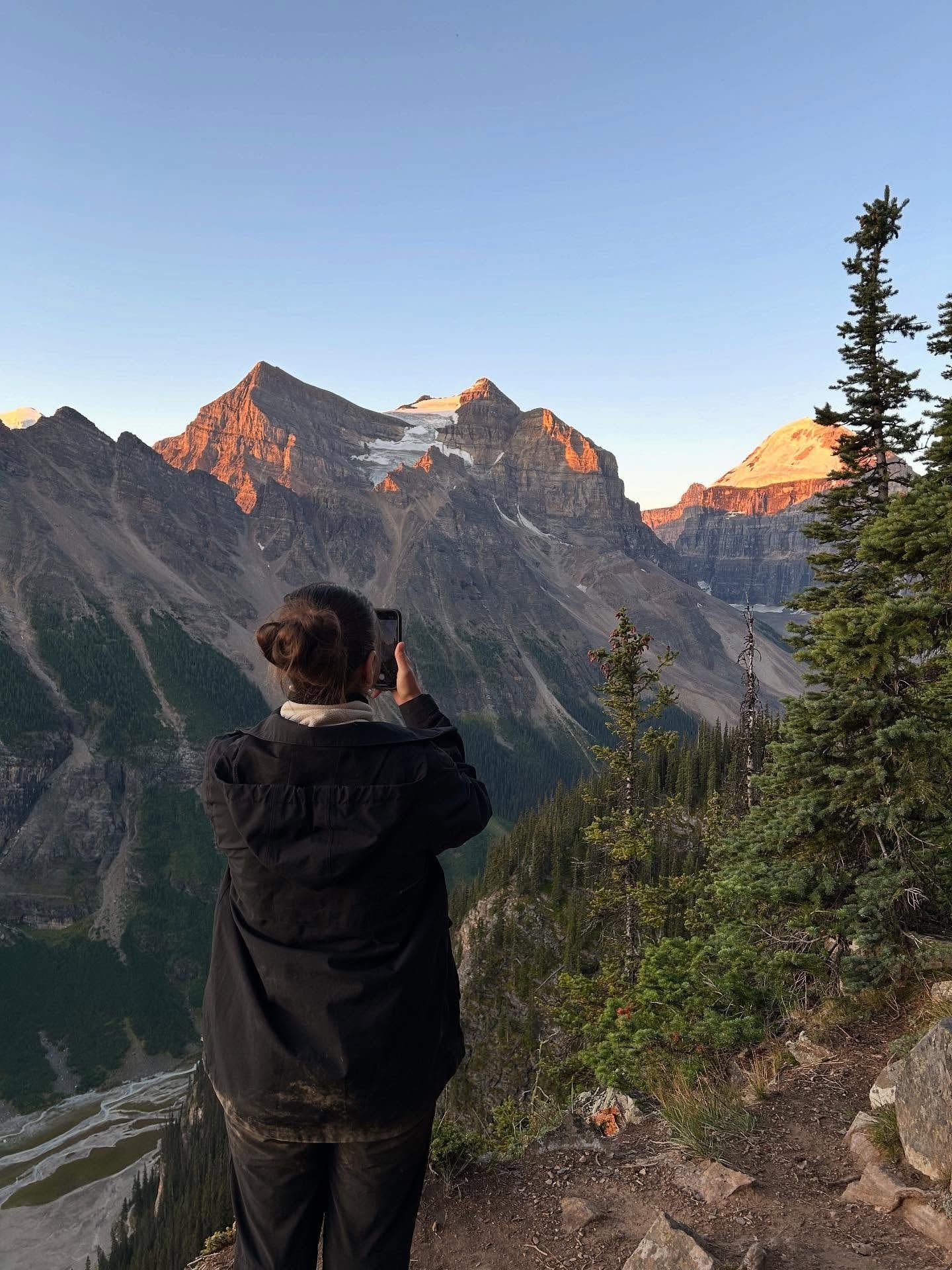
Read what travelers share about their experience visiting Lake Louise — from practical tips to personal highlights.
A daily parking fee of $42 CAD applies at the Lakeshore lot from May 15 to October 12, 2026. You must pay this fee by credit card at the kiosks between 3:00 am and 7:00 pm. This parking charge is completely separate from the mandatory National Park entry pass.
Parks Canada releases 40 percent of the seasonal shuttle seats on April 15, 2026, at 8:00 am MDT. The remaining 60 percent become available on a rolling 48-hour window at 8:00 am MDT throughout the summer. Booking early is highly recommended because the $12.75 CAD adult tickets sell out rapidly.
No, Moraine Lake Road is permanently closed to personal vehicles year-round. To travel between the two locations, you need to use the Parks Canada Lake Connector shuttle. This service runs every 30 minutes from June 1 to October 12 and is free for visitors holding a valid shuttle ticket or Roam Transit Super Pass.
Park admission is free from June 19 to September 7, 2026, under the Canada Strong Pass initiative. Outside of these dates, a daily adult pass costs $12.25 CAD and a family pass is $24.50 CAD. Keep in mind that the free entry does not cover the $42 CAD daily parking fee at the lake.
Mountain weather shifts rapidly, so you should dress in quick-drying layers and carry a waterproof rain jacket. Sturdy hiking boots are recommended for trail use. Temperatures can drop from warm sunshine to freezing rain or snow within a single hour.
Yes, the Lake Louise Lakeshore features a flat, paved trail with level grades that is highly suitable for wheelchairs. Accessible parking is available in the main lot for a reduced fee of $12.75 CAD with a valid government-issued placard. Wheelchair-accessible public restrooms are also located near the entrance.
A typical visit ranges from one to three hours if you plan to walk the flat 2-kilometer shoreline trail. If you want to hike the 6.8-kilometer route to the Lake Agnes Teahouse or take the 20-minute shuttle to Moraine Lake, allocate a full four to eight hours.
Recreational drone use is strictly prohibited by federal law in all Canadian national parks. Operating a drone without an approved commercial permit will result in law enforcement action and a fine of up to $25,000 CAD.
Browse verified tours with free cancellation and instant confirmation.
Find Tours